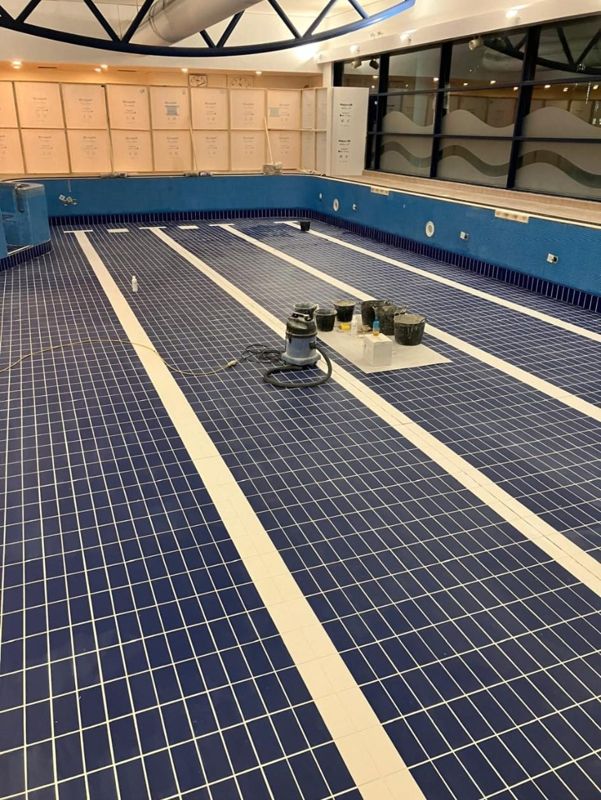
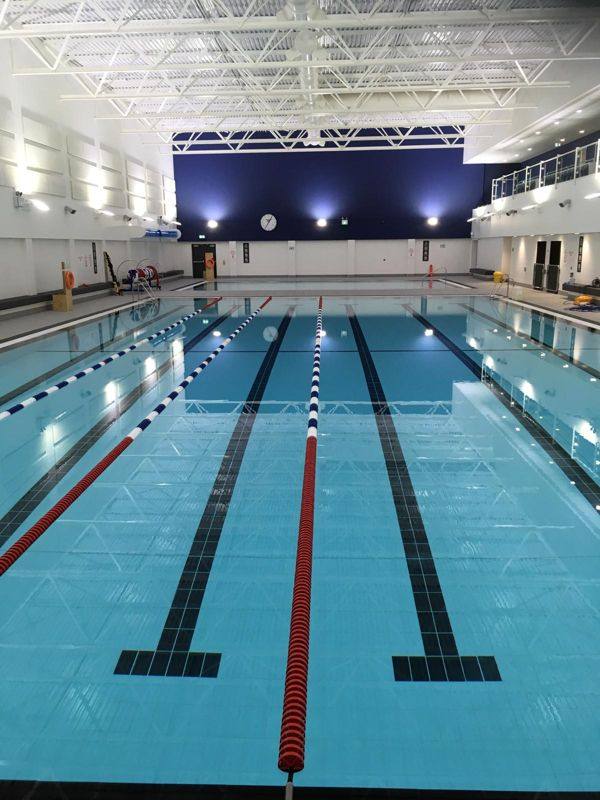
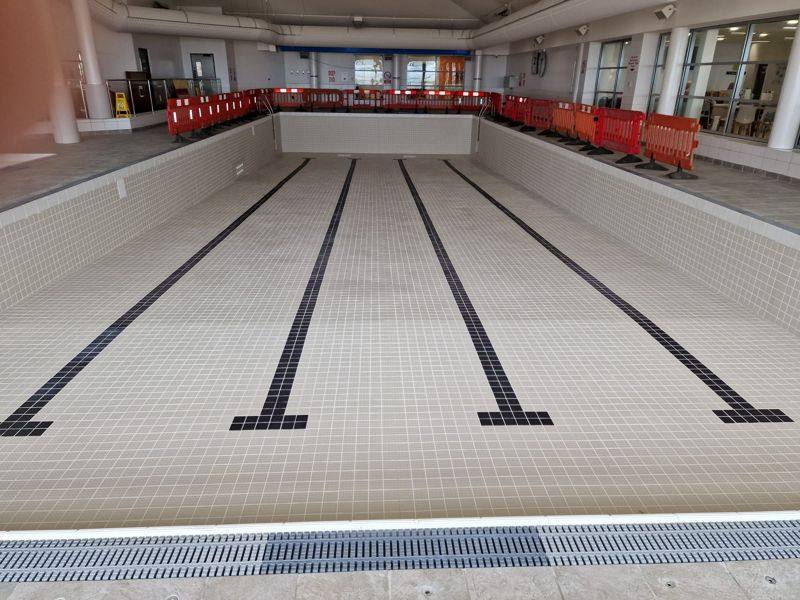
A good shutdown starts months before the pool is drained. Agree what the closure needs to achieve, book your water treatment, plant and tiling contractors, and decide in advance how defects found during the clean will be handled. Build in time for cleaning, inspection, repairs, product cure times and a controlled refill, so the pool reopens clean and in good repair.
Why the shutdown matters
For most pools, a drain down is the one time the whole tank can be cleaned and inspected properly. Floors, lower walls and the bases of steps cannot be assessed fully under water. A well planned shutdown clears the year's build up and gives the operator an honest picture of the finish.
It is also a chance to carry out repairs that would be difficult or impossible with the pool in use, such as replacing tiles, regrouting and renewing movement joints.
Set the objectives early
Start by writing down what the closure needs to achieve. That list drives the programme and helps contractors quote accurately.
- Full clean of tiled surfaces, channels and grilles
- Inspection of tiles, grout and movement joints
- Known repairs from the defects log
- Plant and filtration work by the operator's specialists
- Any changing room or poolside tiling work
- A contingency for defects found during cleaning
Information to gather beforehand
The more information contractors have before the pool is drained, the smoother the closure tends to be.
- Defects log and photos from the past year
- Records of previous repairs and products used
- Tile type and any spare matching tiles held in stock
- Water treatment specialist's notes on any surface issues
- Opening dates and any fixed deadlines such as lesson programmes
Coordinate the trades
Several contractors may need the pool at the same time. Water treatment and plant specialists, electrical contractors for lighting, cleaning and tiling teams all need space and access. Agreeing the sequence in advance avoids one trade waiting on another or undoing finished work.
Cleaning usually comes before inspection, because dirt and scale hide defects. Repairs follow inspection, and cure time follows repairs. Refill and water treatment come last, led by the operator's specialist.
Draining and access
Draining, safe access into the tank and isolating plant are for the operator and their specialists to manage. Before work starts, contractors need to know how they will get in and out of the pool safely, where they can work, and where water, power and waste disposal are available. The operator's risk assessment for the closure should cover contractors working in the empty pool.
Some pools need care during draining because of ground conditions or the design of the shell. If you are unsure, take advice from a structural or pool engineer before draining.
Cleaning and inspection
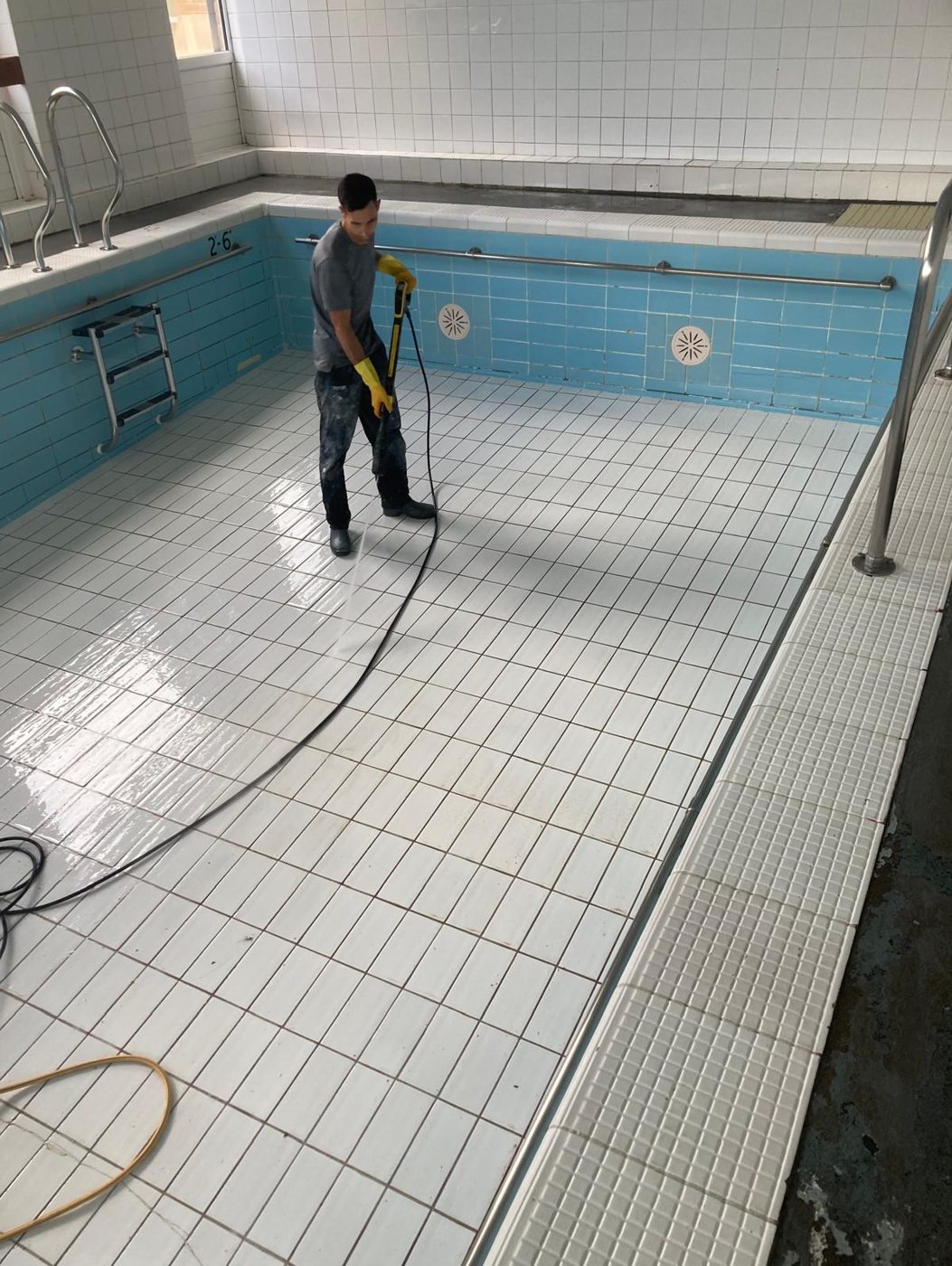
We assess the contamination and the surfaces first. A small test area confirms that the cleaning method works without damaging the finish. Cleaning then uses suitable products and controlled agitation, followed by rinsing and wet-vacuum extraction to remove residue.
Once the surfaces are clean, tiles and joints can be inspected. With the tank empty, Dan and Jay work across the tiled areas with a light tap and mark up anything that sounds hollow. A hollow note shows where to look, not what is wrong, so the map is read alongside visible cracks, grout condition and the pool's history.
Handling what you find
Most shutdowns turn up something unexpected. Decide in advance how decisions will be made, who can approve extra work and how much time is available. We flag hidden defects promptly and explain the options so the operator can choose between repairing now, monitoring or planning a larger refurbishment.
A repair can grow once a tile is lifted and the bedding behind turns out to be poor, so leave some contingency in the programme.
Cure times and refill
Grouts, adhesives and repair products need time to cure before the pool is filled and the water is treated. How long depends on the product and on temperature in the drained pool, so work from the current product data and the operator's requirements, not a fixed number of days. Our guide on refilling a pool after tiling works explains why.
Refill and water treatment after a shutdown are for the operator and their water treatment specialist. Let them know which products were used and any guidance from the manufacturers.
Update the risk assessment and the defects log with what was found and done. Note areas to monitor, such as hollow tiles that were left in place, and plan any larger works for a future closure. PoolRevive carries out shutdown cleaning, inspection, repairs and regrouting across the UK, from our base in Warrington.
Common questions
How long should a shutdown last?
It depends on the scope of work, the products used and what is found. We confirm scope, materials and access in advance and allow properly for cure and refill rather than promising a date that cuts them short.
When should we book contractors?
As early as you can. Booking well ahead gives time for an inspection or photos, an agreed scope and the sequencing of different trades.
Can we combine cleaning and regrouting in one closure?
Often, yes. Cleaning first helps show where grout has failed, and regrouting can follow in the same closure where tiles are well bonded and the programme allows for cure time.
What information helps you quote for a shutdown?
Tell us where the pool is, its approximate size, the tile type and the problems you know about, with photos of the tiles, grout and problem areas if you have them. Your defects log is also useful.
Sources and further guidance
This guide is general information, not legal, health or safety advice for a specific site. Pool operators should follow current official guidance and take advice from competent specialists.