Commercial pool maintenance is mostly about water treatment and plant, but the tiled finish needs a routine too. Staff should check for open joints, loose or sharp tiles and damaged edges, record what they find, and plan repairs into the annual shutdown. Small defects fixed early cost less and close the pool for less time.
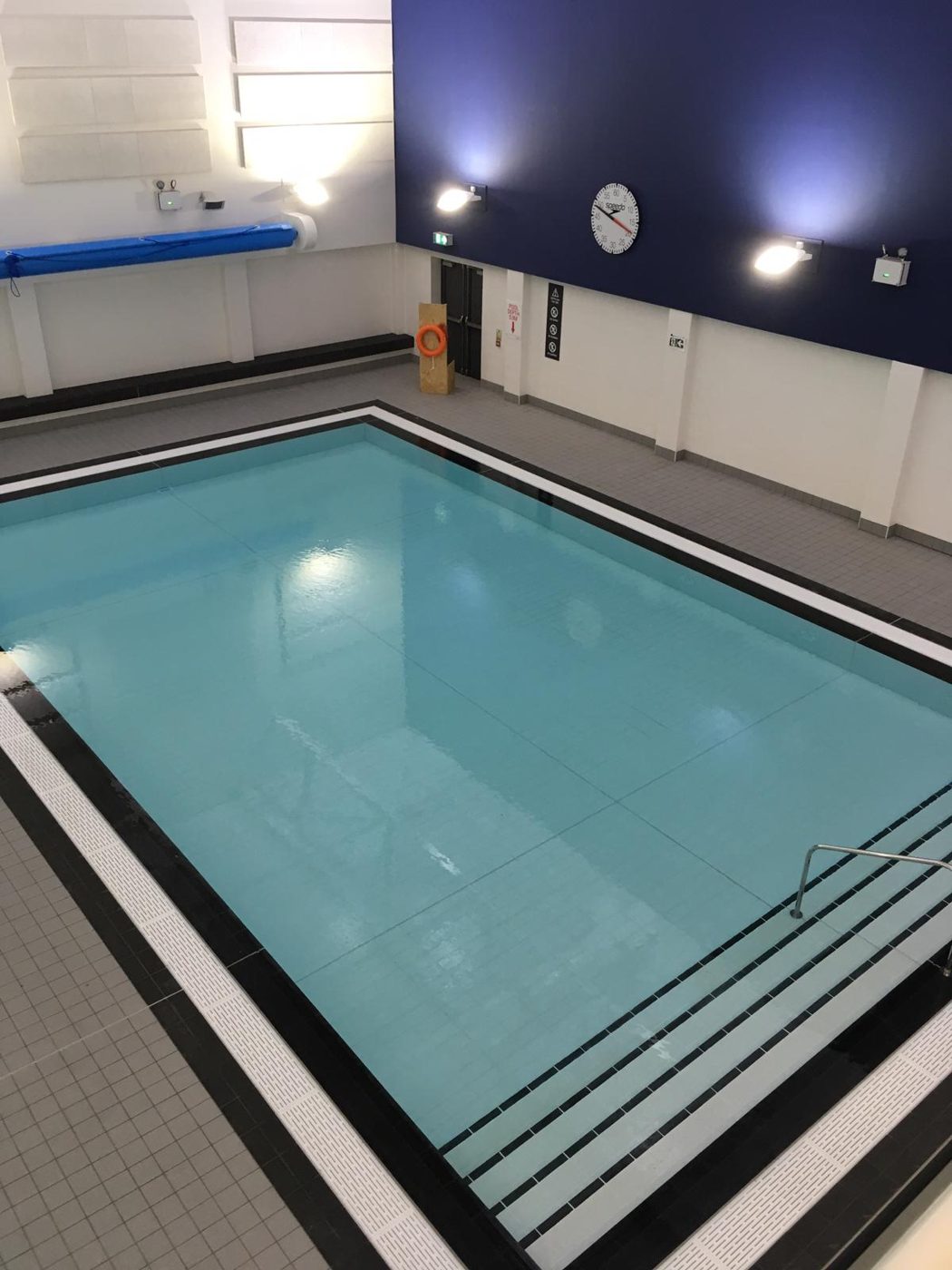
Where tiles fit into pool maintenance
Most of a commercial pool's maintenance plan is about water quality and plant: treatment, filtration, testing and records, as set out in the PWTAG Code of Practice and the operator's own procedures. That is work for the pool's own staff and plant specialists.
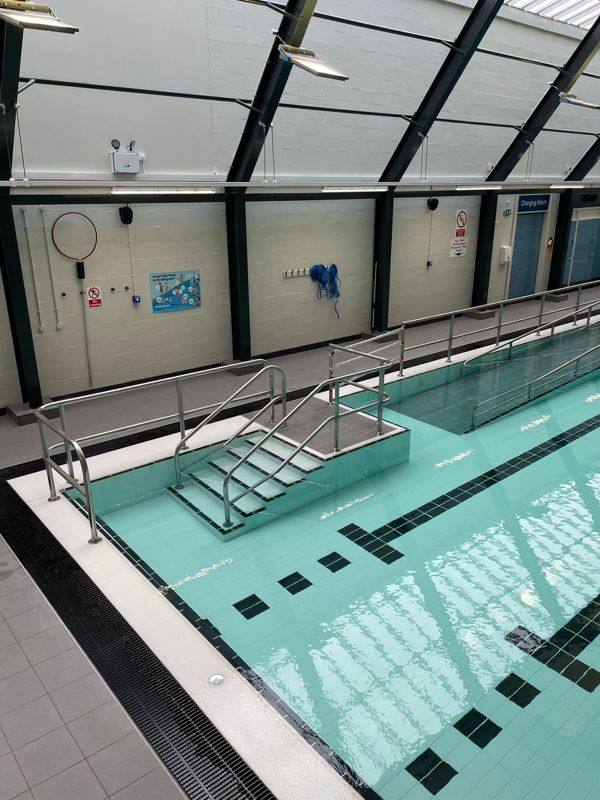
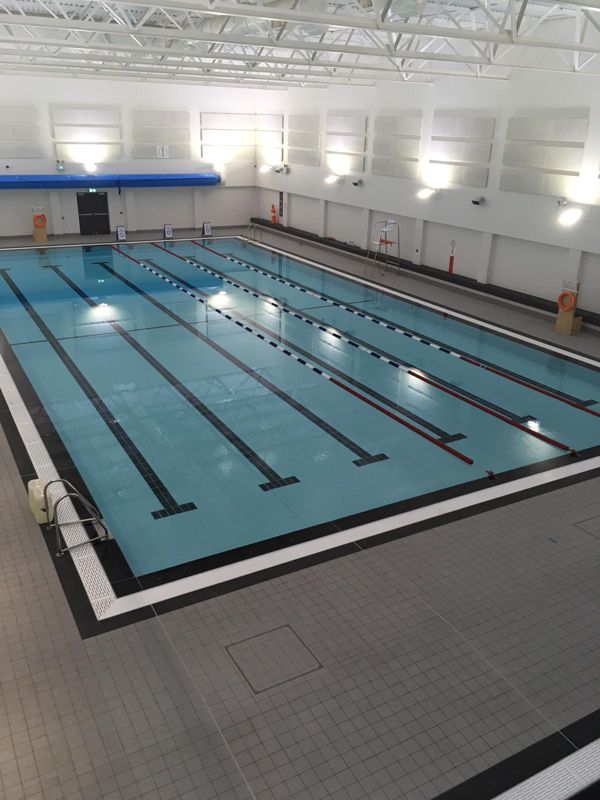
The tiled finish needs looking after too. Grout, tiles, movement joints, edges and steps all wear, and the operator's risk assessment should cover the condition of surfaces bathers walk and swim on.
Routine checks staff can make
- Open, eroded or missing grout, especially at the waterline and on steps
- Loose, lifted, cracked or sharp-edged tiles
- Damaged nosings, edge tiles and depth or lane markings
- Movement joint sealant that has split or come away
- Staining, scale or algae that keeps coming back in the same joints
- Slippery or rough areas on the surround and steps
Record and act
Write down what you find, where and when, ideally with a photo. A simple log shows whether a problem is spreading, and helps a contractor scope repairs before the pool is drained.
Anything that is a hazard to bathers, such as a sharp broken tile or a lifted edge, needs dealing with straight away under the operator's procedures. That may mean closing an area until it is repaired.
The annual shutdown
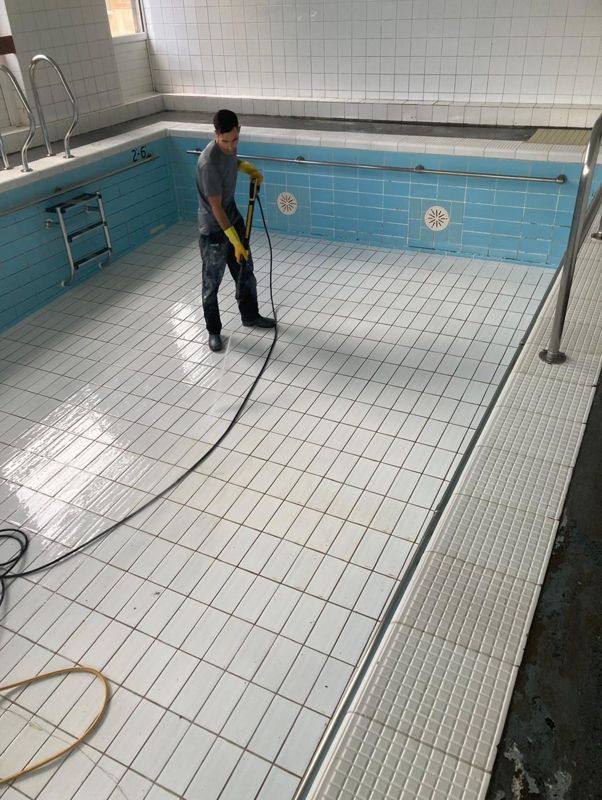
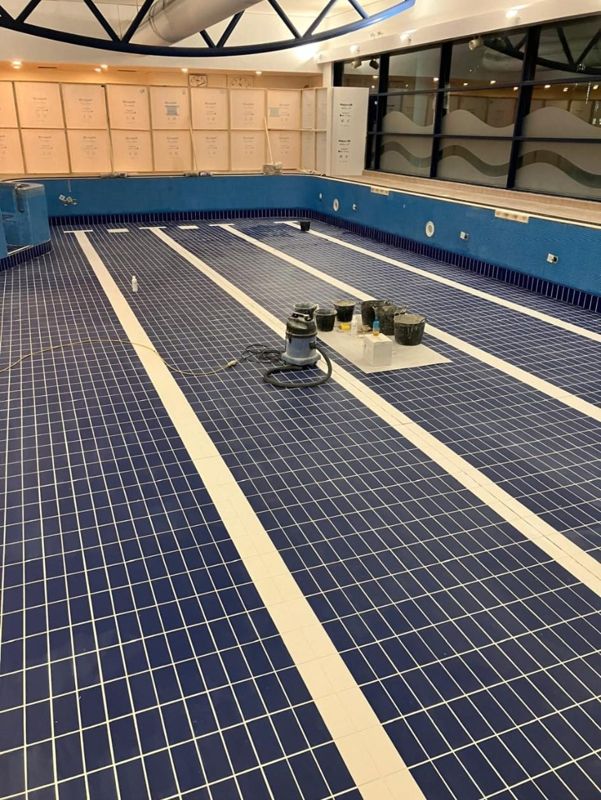
Many commercial pools close once a year for a drained-down clean and maintenance. It is the best time to inspect the tiles properly, carry out a chemical clean and fix the defects found during the year.
Planning the tiling work before the shutdown helps it fit the window. Send photos and your log in advance so materials can be ordered and the scope agreed before the water comes out.
Where PoolRevive helps
We do not run pool plant or water treatment. Our part is the tiled finish: inspection with tap testing, chemical cleaning, tile repairs, regrouting, movement joints and retiling, in the shutdown or when a defect needs attention.
Plan tiling work for your next shutdown
Common questions
Do you offer commercial pool maintenance contracts?
We look after the tiled finish rather than water treatment or plant. Talk to us about inspections, cleaning and repairs planned around your shutdowns.
How often should pool tiles be inspected?
Staff should look at the tiles and joints as part of routine checks, and a thorough drained-down inspection is best done during each annual shutdown.
Is a loose pool tile an emergency?
A sharp or lifted tile where bathers can reach it is a hazard and should be dealt with under the operator's procedures, which may mean closing that area until it is repaired.
Sources and further guidance
This guide is general information, not legal, health or safety advice for a specific site. Pool operators should follow current official guidance and take advice from competent specialists.