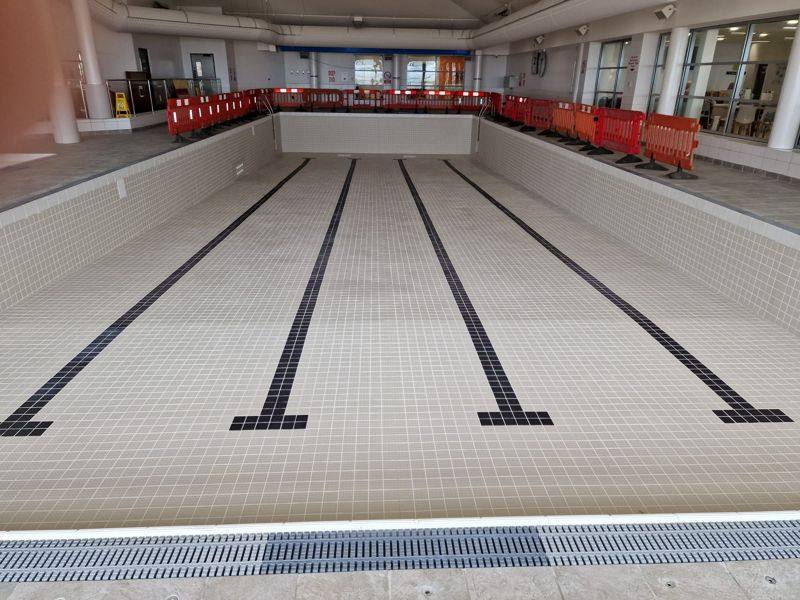
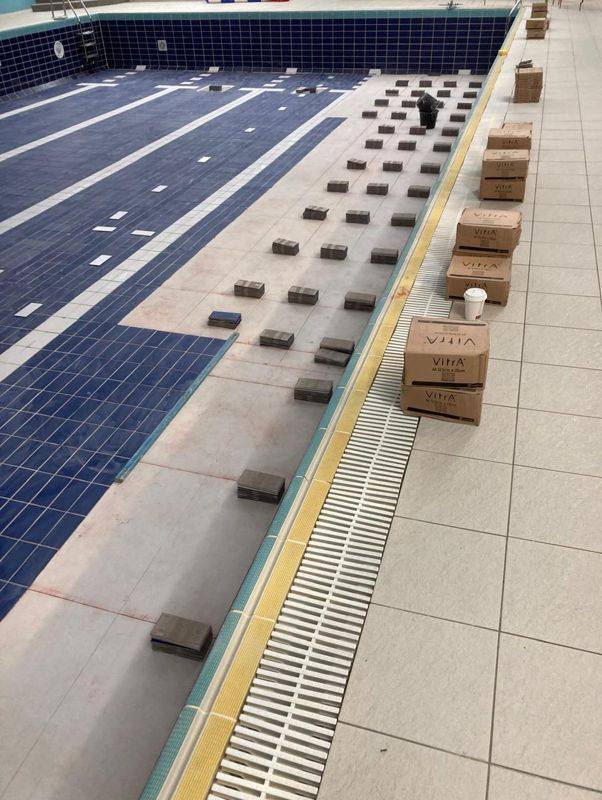
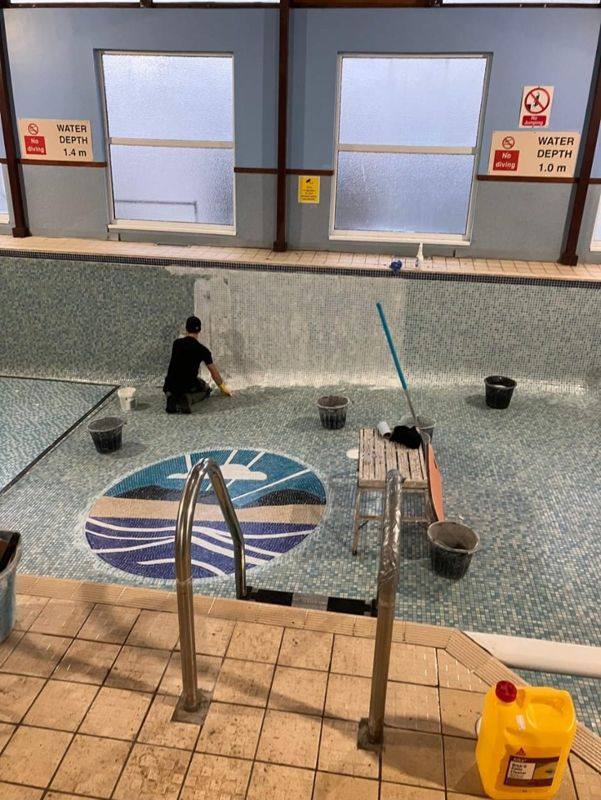
Ask how they will inspect the pool, how they choose between repair, regrouting and retiling, which adhesive and grout systems they propose and why, how they treat movement joints, how cure and refill fit the programme, how hidden defects are handled and what aftercare is needed. Answers that explain what the outcome depends on are usually a good sign.
Why it pays to ask
Pool tiling is specialist work. The tiles sit permanently in treated water, go through temperature changes and have to stay secure and safe for bathers. Mistakes may not show until months after refill, and fixing them means another closure.
A few direct questions before you hire show how a contractor thinks about pools, and whether their approach suits your project.
Questions about inspection and diagnosis
Good answers usually admit the limits. Tapping finds suspect areas but does not prove a tile has failed, and the cause of a problem may only be clear once tiles are lifted.
- How will you inspect the pool, and does it need to be drained first?
- How do you use tap testing, and what are its limits?
- When would you lift tiles or make a test opening?
- How will you record and share what you find?
- What do you think is causing the problems we are seeing?
Questions about the scope and options
Be cautious of a firm answer given before the pool has been looked at properly. You want the options laid out, with the reasons each one does or does not suit your pool.
- What options do you see: cleaning, repair, regrouting, part or full retile?
- Why do you recommend that option for this pool?
- What does the proposed scope include and exclude?
- How will repair boundaries be decided?
- What happens if hidden defects are found?
Questions about materials and systems
Listen for two things. Epoxy suits some pools and joints better than others, so a tiler who specifies it everywhere should be able to say why, and no grout of any kind will re-bond a loose tile. And movement and perimeter joints should be finished with a flexible sealant, not grouted solid.
- Which adhesive, grout and sealant systems do you propose, and why?
- Are they suitable for immersion and for our pool conditions?
- Do you follow the manufacturers' instructions for mixing, application and cure?
- Why epoxy or cement grout for each area?
- How will movement and perimeter joints be treated?
Questions about the programme
Expect the factors that affect timing, not a fixed figure for a pool nobody has seen. Notice whether cure and refill time is part of the plan or something to squeeze at the end.
- What affects how long the pool will be out of use?
- How are cure times and refill built into the programme?
- What do you need from us for access, welfare and storage?
- How will you keep us updated and flag programme risks?
- Who will be working on site?
Questions about refill and aftercare
Aftercare gets overlooked, but it affects how new work performs. A cleaning product that suits one grout can damage another, and early problems are easiest to spot in the first weeks after refill.
- When can refill start, and is there a recommended refill rate?
- Are there any precautions for heating or water balancing after refill?
- Which cleaning products and methods should we use or avoid?
- What should we look out for in the first few months?
Practical and commercial questions
It is reasonable to ask about experience with pools like yours, how the quote is structured, how variations are agreed and what paperwork you get at the end. On commercial sites, check insurance, health and safety documents and any site-specific requirements as you would with any contractor.
Be wary of promises that sound too certain. No grout comes with a guaranteed lifespan; how long it lasts depends on the pool, its water and how it is maintained.
Signs of a careful approach
A careful pool tiler looks before agreeing a scope, explains the options before work begins and follows the manufacturers' instructions for every product. They will not cut cure or refill time to make a date, and they are open about what cannot be known until tiles come up.
An answer that starts with "it depends" and then explains what it depends on is often worth more than a confident promise made from the poolside.
Common questions
Should a pool tiler visit before quoting?
For anything beyond a very simple job, a visit or at least detailed photos and pool history are usually needed. A proper inspection often needs the pool drained, so a quote may be refined once the pool has been seen empty.
Is it a warning sign if a tiler recommends a full retile straight away?
Not necessarily, but ask why. A full retile may be justified where problems are widespread, but a contractor should be able to explain the evidence and the alternatives they considered.
What should I receive at the end of the job?
Useful records include a summary of the work done, the products used, any care and cleaning guidance, refill advice and photos of the completed work or areas opened during the job.
Should I get more than one quote?
Many operators do. Compare what each includes: inspection, the systems proposed, movement joints, how hidden defects are handled and whether cure and refill time is in the programme. Differences in scope often explain differences in price.