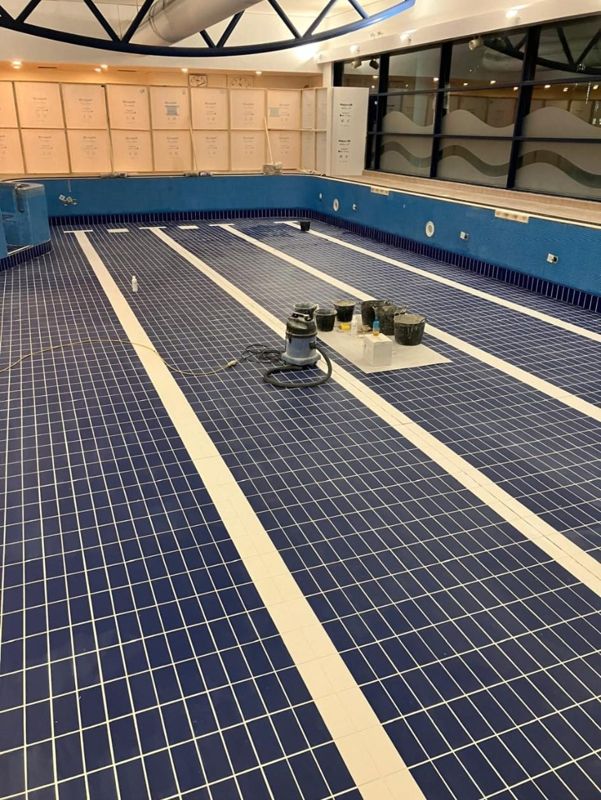
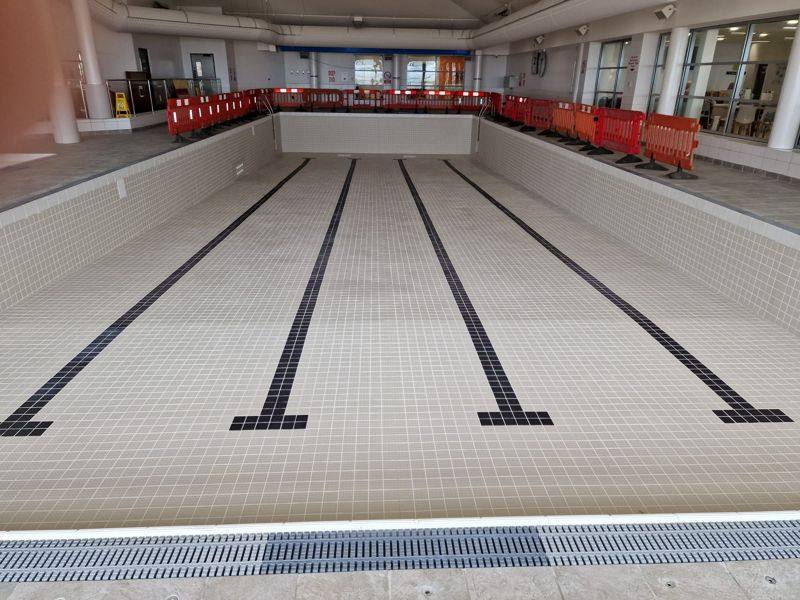
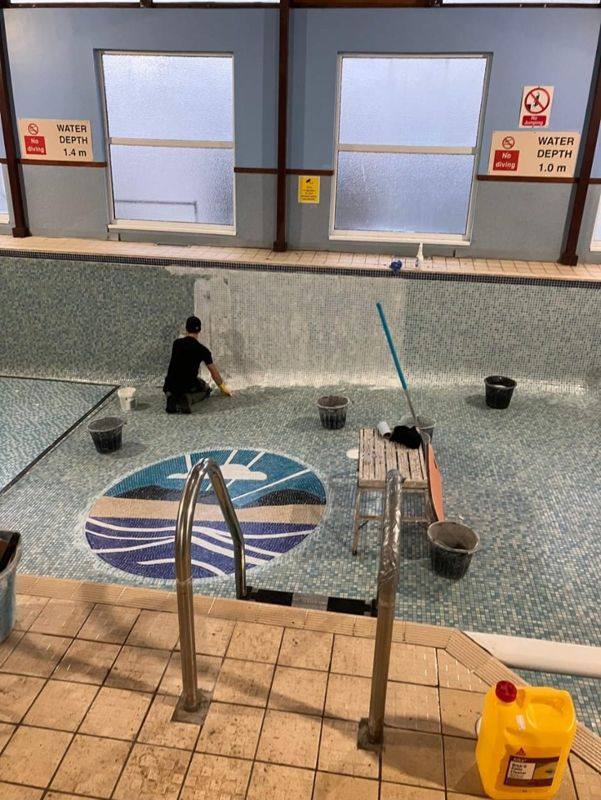
Start with your rabbinic authority and the mikveh's designers, because anything affecting the mikveh itself is theirs to decide. Then have the immersion pool, steps and preparation rooms inspected, agree a scope in writing, and plan the closure around the community's calendar with time for curing and refilling built in.
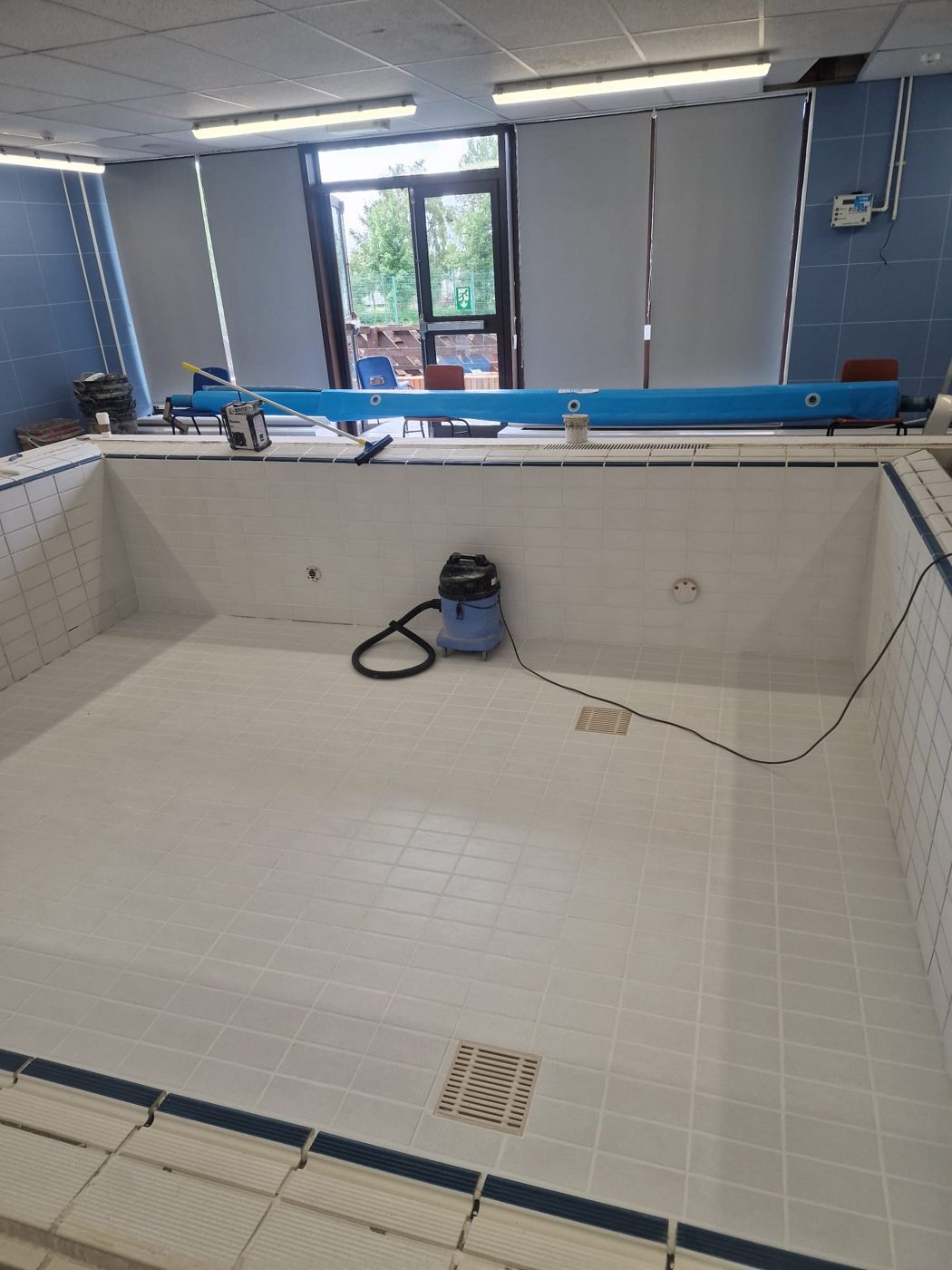
Start with the people who decide
Every mikveh refurbishment involves two kinds of decision. The first concerns the mikveh itself: its design, any reservoir and how it connects to the immersion pool, and anything else that could affect whether it is fit for use. Those decisions belong to the community's rabbinic authority and the designers it works with.
The second kind is practical: which tiles to use, whether to regrout or repair, what the finish should look like and how long the work will take. A tiler can advise properly on those, but should work inside the framework your rabbinic authority sets, not around it.
Bring the rabbinic authority in at the start, before scope or dates are fixed. A change that looks purely cosmetic may matter to them, and that is far better learned in a meeting than on site.
Who usually needs to be involved
Mikvaot are often run by a small committee of volunteers alongside the people who look after the building. A clear list of who is responsible for what avoids delays later.
- The rabbinic authority who supervises the mikveh, and any designer they rely on
- The committee member who will act as the single point of contact
- The attendants or caretaker who know how the mikveh is used day to day
- The tiling contractor, for the tiled surfaces and finishes
- Other trades as needed, for example plumbing, heating, water treatment, electrics or building works
Getting the mikveh inspected
Before agreeing a scope, have the immersion pool, steps and preparation rooms looked at properly. Dan and Jay check the grout, look for cracked, loose or hollow tiles, see how the steps are wearing and go over the floors and walls in the preparation rooms.
Tapping picks out tiles that sound hollow, but a hollow sound does not prove a tile has failed. Some problems only show once the pool is drained and grout or tiles come out, so write the scope to allow for growth if the background behind the tiles proves unsound.
Signs of water loss, damp in adjoining rooms or cracking that runs through tiles and joints in a line are worth mentioning early. They may point to waterproofing, pipework or structural issues, which should be assessed by the community's specialists before any tiling is planned.
Agreeing the scope
Most mikveh refurbishments fall somewhere between a deep clean and a full retile. The right answer depends on what the inspection finds and what the committee wants to achieve. A written scope that describes each area, and what will and will not be done, protects everyone.
We also identify, with whoever is supervising, every reservoir connection, opening, pipe and channel in the tiled areas. These are marked in the scope as items that are not to be altered, covered or blocked without approval. If the plan needs to change once work starts, we raise it before touching them.
- Immersion pool: cleaning, local repairs, regrouting or retiling
- Steps and nosings: repair, retiling and visibility of step edges
- Preparation rooms and bathrooms: wall and floor tiling, showers, falls to drains
- Matching replacement tiles, or a planned change of tile
- Making good around fittings that other trades are changing
Timing the closure
Closing a mikveh affects people's lives, so committees understandably want closures to be as short as possible. The programme needs time for draining, preparation, tiling, grouting, curing and refilling, and cure times are not something to trim to hit a date. Products are used to the manufacturers' instructions, and some need longer in cool or damp conditions.
Plan the closure around the community's calendar, including Shabbat, festivals and any periods when demand is higher. Where a building has more than one mikveh, such as separate mikvaot for women, for men or for utensils (keilim), it may be possible to phase the work so that one facility stays open. The committee and rabbinic authority will also need to plan whatever is required before the mikveh is used again.
Discretion on site
A mikveh is a private place, and the way work is carried out matters as much as the finish. Agree access arrangements, working hours, where materials will be stored and how the site will be kept tidy. Keep the team small and make sure everyone understands that the building is a place of religious significance for the community.
If any part of the building stays open during the works, agree how the working area will be separated and when noisy or dusty tasks can take place.
Questions to ask a mikveh contractor
It is reasonable to ask how a contractor will work with your rabbinic authority, how they will protect reservoir connections and openings, what they will do if they find a leak or hidden defect, and how they will plan around your calendar. Expect plain answers, including about what tiling cannot fix.
Common questions
Should we speak to our rabbinic authority before getting quotes?
Yes, ideally. They can tell you early whether any proposed change affects the mikveh itself, which shapes the scope a tiler is asked to price.
Can a mikveh refurbishment be phased?
Sometimes. Where a building has more than one mikveh or several preparation rooms, works can often be sequenced so some facilities stay open. It depends on the layout, access and shared plant.
What if a leak is found during the works?
We stop and tell the committee. Leaks, waterproofing failures and structural problems should be assessed by the community's specialists before tiling continues.