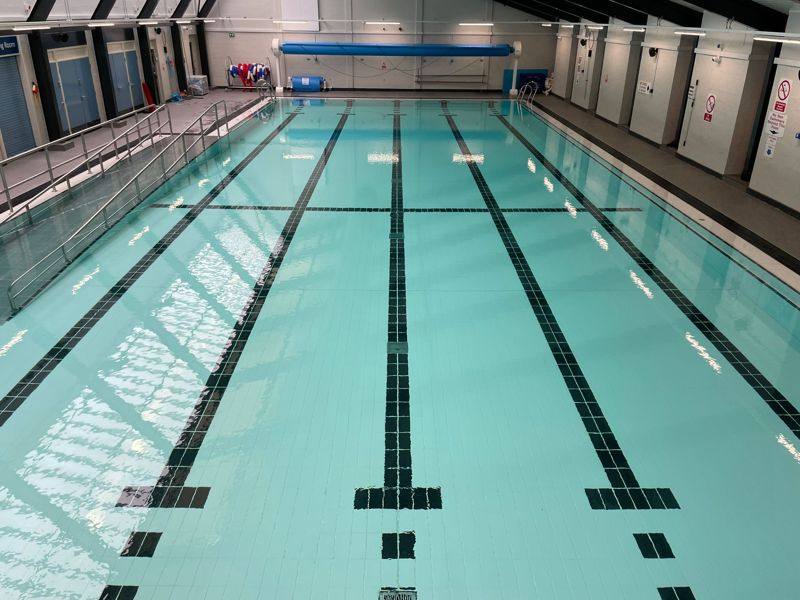
Installed correctly and well maintained, a tiled pool can last a very long time: we know of pools that my Dad and I have tiled lasting 20 to 25 years or more. The difference comes down to preparation, the right screed, render, adhesive and grout for a pool, fully filled joints, and water chemistry kept in balance. Rushed work and the wrong materials are the main reasons pools now fail early.
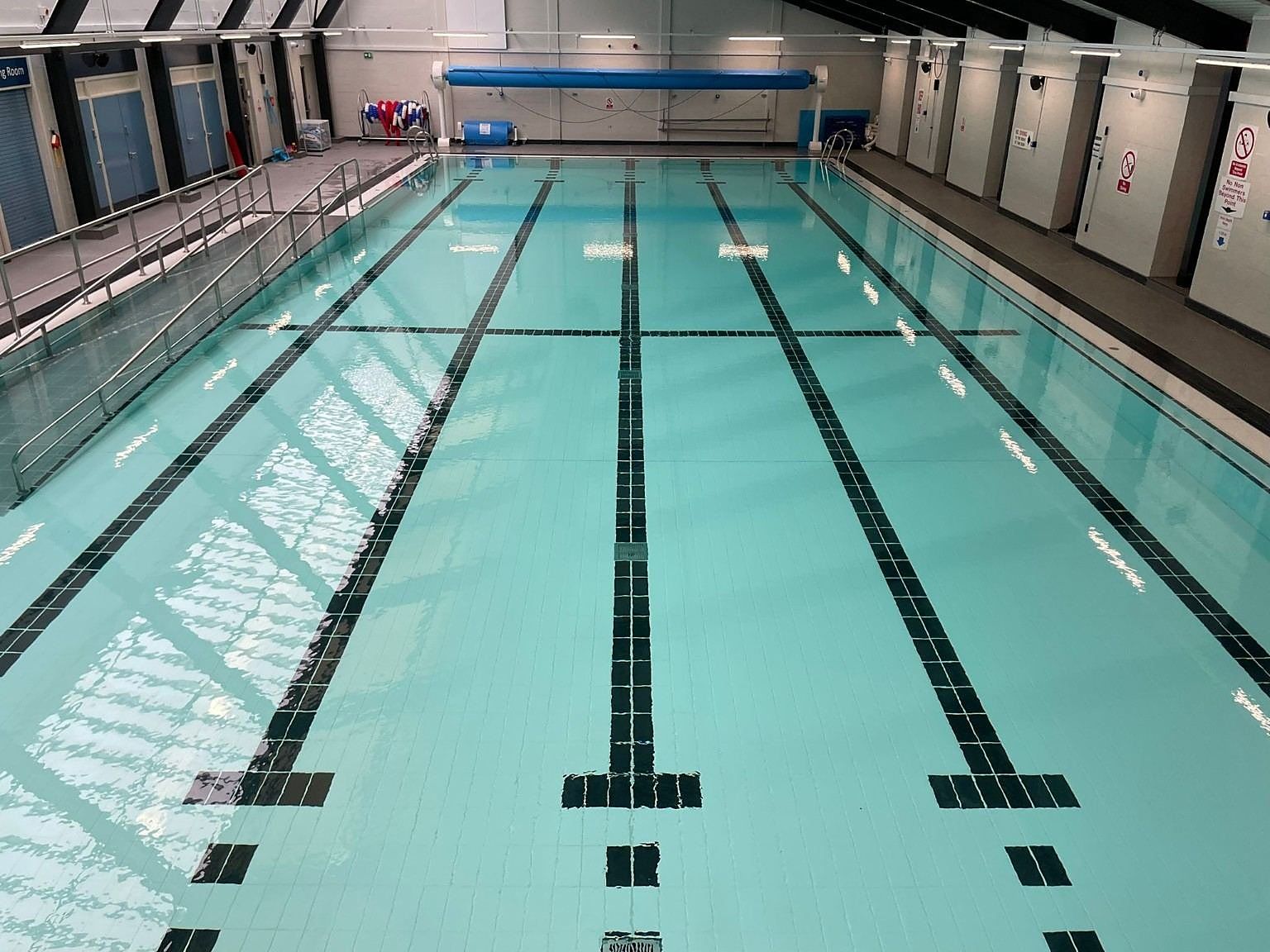
How long a well-built tiled pool lasts
We know of pools that my Dad and I have tiled over the years that are still sound after 20 to 25 years or more. Tiles themselves rarely wear out. What fails is usually what holds them: the grout, the adhesive bed, the render or screed behind, or the movement joints.
So the honest answer is that a pool lasts as long as its weakest layer. Get every layer right and keep the water balanced, and tiles and grout can give decades of service.
What makes a pool last
Long life is decided before a single tile goes on. These are the things we see making the biggest difference:
- Thorough preparation: tiling onto clean, dust-free, sound surfaces.
- The correct screed and render for a swimming pool, not general building materials.
- An adhesive made for swimming pools, mixed and applied to the manufacturer's guidance.
- Grout joints fully filled and finished flush, with no gaps or pin holes for water to get into.
- Movement (expansion) joints in the right places, fully filled with a suitable sealant.
- Epoxy grout where the pool's use and budget suit it, as it holds up longer than cement grout.
- Water chemistry, especially pH, kept in the right range for the life of the pool.
Epoxy grout and cement grout
Epoxy grout generally lasts longer than cement grout and is less affected by pool water and cleaning. For busy commercial pools, where draining, refilling and closing the pool is expensive, that extra life usually pays for itself.
Cement grout can still last well when it is done right. We recently went back to a pool we cement grouted five years ago, and it still looks brand new. Life varies hugely with how it was mixed and installed. Too much water in the mix makes the grout weak, so it should be mixed to the manufacturer's ratio, and the joints should be clean and dry before grouting.
As a guide, many private pools with cement grout are regrouted every five to seven years, though well-installed cement grout in balanced water can last a lot longer.
Why so many pools now fail early
We see a lot of pools failing well before they should. The common causes are rushed programmes that leave no time to do each stage properly, and the wrong materials for a pool.
Skipped preparation, adhesive that is not suitable for immersion, grout mixed too wet, joints left part-filled and missing movement joints all show up later as loose tiles, hollow areas and grout washing out.
Water chemistry: the part tilers do not control
Once a pool is handed back, its water treatment is down to the pool operator or plant contractor. pH and water balance matter a great deal: water that is out of balance can attack cement grout and leave scale on tiles.
Keeping the chemistry in range, following recognised guidance such as PWTAG's for commercial pools, protects the investment in the tiling.
Getting the most from your pool
Like most things, a pool done right with the best materials gives you the best chance of a long life. Between projects, keep on top of missing grout and the odd loose tile: small repairs made early are the cheapest way to preserve a pool.
If your pool is showing its age, send us photos. We can tell you whether a clean, repairs and regrout will give it years more, or whether it is time for something bigger.
Common questions
How long do mosaic pool tiles last?
Mosaic tiles themselves are very durable. Installed properly with suitable adhesive, fully filled grout joints and balanced water, mosaic pools can last 20 to 25 years or more. Failures are usually in the grout or the bed behind the tiles rather than the mosaic.
Does epoxy grout last longer than cement grout in a pool?
Generally, yes. Epoxy grout is more resistant to pool water and cleaning. Cement grout can still last well when it is mixed to the manufacturer's ratio, put into clean, dry joints and the water is kept balanced.
Why are the tiles in a fairly new pool already failing?
Usually because of how it was built: rushed preparation, the wrong screed, render or adhesive for a pool, grout mixed too wet, part-filled joints or missing movement joints. Water that is out of balance can also speed up grout failure.
Can we make our existing pool tiles last longer?
Yes. Keep the water balanced, fill missing grout and refix loose tiles as soon as they appear, and consider an epoxy regrout when the grout is due. A clean and regrout often gives a pool many more years without a full refurbishment.