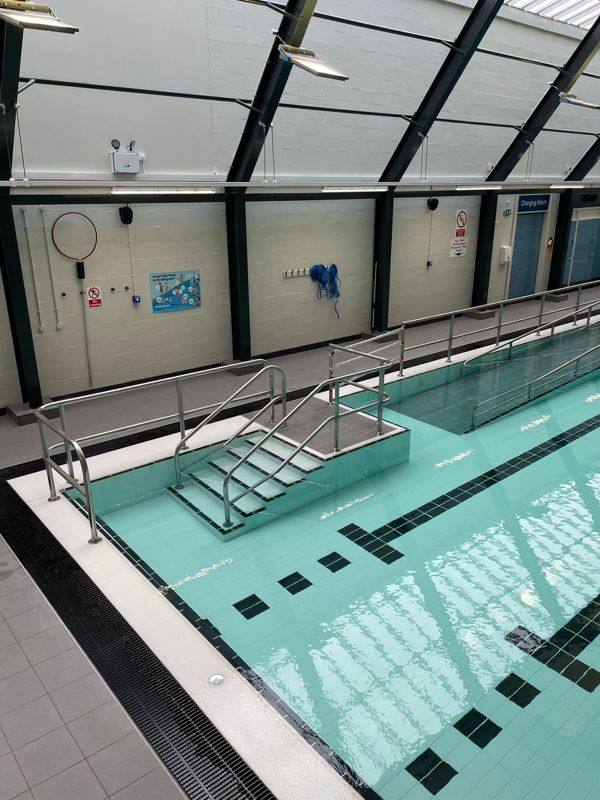
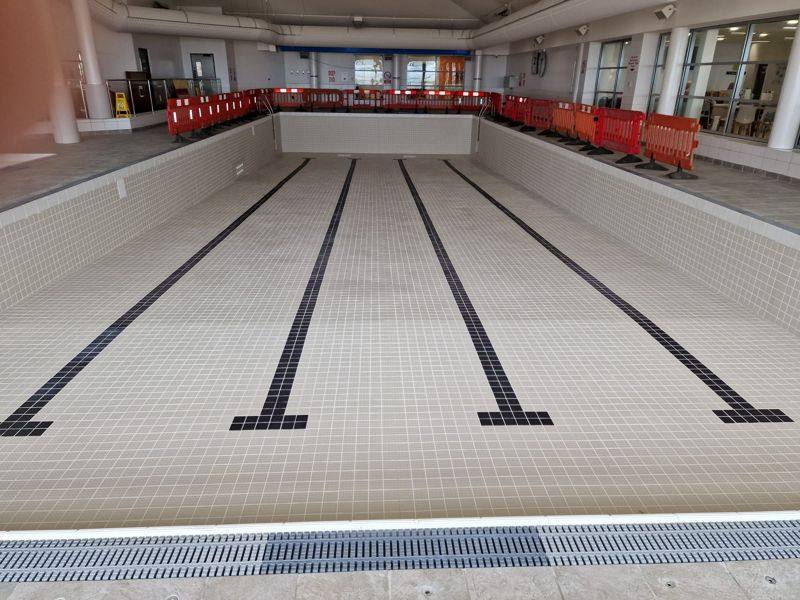
Responsibility for health and safety at a pool sits with the pool operator, which is usually the employer or business running it. HSE guidance HSG179, Health and safety in swimming pools, sets out how operators can manage the risks. A risk assessment should cover the water, the people and the building, including the condition of tiles, edges, steps and poolside floors.
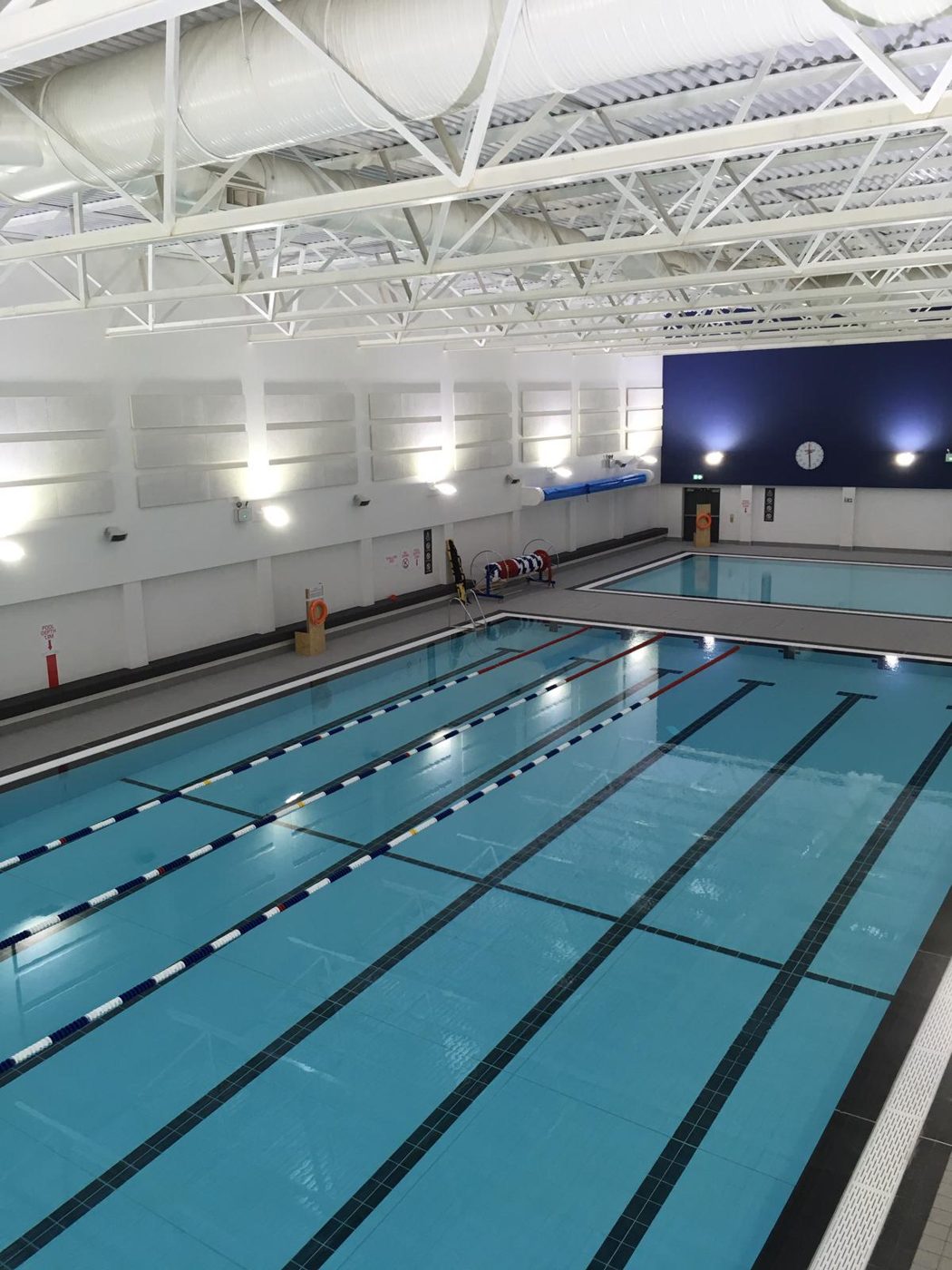
The operator holds the duty
In a commercial or public setting, the organisation that runs the pool carries the main health and safety duties. That might be a local authority, a leisure trust, a school, a hotel group or a private club. Sections 2 and 3 of the Health and Safety at Work etc. Act 1974 set out general duties to employees and to people who are not employees, such as swimmers and visitors.
Day to day, those duties are usually delegated to a named manager or duty manager, supported by trained staff and outside specialists. Delegating the work does not delegate the responsibility, so operators generally keep clear records of who does what. Where the legal position for a particular site is unclear, operators should take advice from a competent health and safety adviser.
What HSE HSG179 covers
HSG179, Health and safety in swimming pools, is the Health and Safety Executive's guidance for everyone involved in operating and managing swimming pools. The fourth edition came out in 2018 and HSE has updated it since. HSE says it covers the measures to take to reduce risks and comply with the law.
HSE notes that this edition no longer contains detailed information on pool design or pool water treatment. For the technical running of the water, operators turn to the Code of Practice from PWTAG, the Pool Water Treatment Advisory Group, and most read the two side by side.
Risk assessment sits at the centre
Regulation 3 of the Management of Health and Safety at Work Regulations 1999 requires every employer to make a suitable and sufficient assessment of the risks to their employees and to other people affected by their undertaking. HSE adds that if you employ five or more people you must record the significant findings: the hazards, who might be harmed and how, and what you are doing to control the risks.
For a pool, the assessment normally takes in supervision, water quality, plant and chemicals, emergency arrangements and the building itself. The building part is where surfaces, finishes and repairs come in, and because it changes slowly it is easy to overlook between inspections.
- Who uses the pool, including children, learners and less mobile users
- Supervision and emergency arrangements
- Water treatment, plant and chemical storage
- Floors, edges, steps, channels and changing areas
- Cleaning methods and the products used
- Planned maintenance, closures and contractors on site
Where tiles and surfaces fit
Tiles rarely feature in incident headlines, but they matter. A cracked or missing tile can leave a sharp edge at foot level. Failed grout leaves open joints that collect dirt and are harder to clean. A contaminated or worn poolside floor can change how slippery it feels when wet. Lane markings and step nosings that have faded or come away can make depth changes harder to read.
None of these is usually dramatic on its own, but they are the kind of defects a risk assessment should pick up and a maintenance plan should deal with. The operator decides the priority. A tiling contractor's role is to inspect the finish, explain what is found and carry out the agreed repair.
The other specialists involved
Most operators rely on a handful of outside specialists. Write their roles down; assumptions are where gaps appear.
- Water treatment specialists: dosing, testing, water balance and plant
- Ventilation and HVAC engineers: air handling and humidity in the pool hall
- Legionella risk assessors, where spa pools or other risk systems are present
- Lifeguard and swimming teacher training providers
- Tiling contractors: cleaning, tile repair, regrouting and refurbishment of tiled surfaces
- Health and safety advisers: reviewing the overall risk assessment
Incidents and reporting
Some workplace injuries, diseases and dangerous occurrences must be reported to HSE under RIDDOR, the Reporting of Injuries, Diseases and Dangerous Occurrences Regulations. Whether a particular pool incident is reportable depends on what happened and to whom, so operators should check HSE's RIDDOR guidance or take advice rather than assume.
Even where an incident is not reportable, a near miss on a broken step tile or a slip on a dirty surround is useful information. Log it and look again at that part of the risk assessment.
Where PoolRevive comes in
PoolRevive is the pool side of TileTrust Ltd, a specialist tiling firm in Warrington, and Dan and Jay are the tilers who do the work. We clean tiled pools, repair damaged tiles, regrout and refurbish tiled surfaces in residential, commercial and leisure pools. We do not provide water treatment, chemical dosing, legionella risk assessments or lifeguarding; those sit with the operator and their specialists.
We look at the pool and its finish, explain what we find in plain terms and agree a scope that fits the operator's priorities. The person who owns the risk assessment then has a clear picture of the surfaces they are managing.
Common questions
Is HSG179 a legal requirement?
HSG179 is HSE guidance rather than law. It explains how operators can manage risks and meet their legal duties under health and safety law. Following guidance like this is a common way to show that risks are being managed sensibly, but operators should take their own advice on what applies to their site.
Does a private home pool fall under the same rules?
Health and safety at work law is mainly about work activities, so a pool used only by a family at home is in a different position from a pool run as a business. Where a private pool is used commercially, for example for lessons or holiday lets, the owner should take advice on their duties.
Should pool tiles be in the risk assessment?
The condition of floors, edges, steps and other surfaces is usually part of a pool risk assessment, because damaged or dirty surfaces can cause cuts, trips and slips. How detailed that section is depends on the pool and its users.
Can you carry out our pool risk assessment?
No. The risk assessment belongs to the operator and their health and safety adviser. We can inspect the tiled surfaces, report what we find and carry out agreed cleaning, repair and regrouting work.
Sources and further guidance
- HSE: HSG179 Health and safety in swimming pools
- Health and Safety at Work etc. Act 1974
- PWTAG: Code of Practice
- HSE: Steps needed to manage risk
- The Management of Health and Safety at Work Regulations 1999, regulation 3
- HSE: RIDDOR
This guide is general information, not legal, health or safety advice for a specific site. Pool operators should follow current official guidance and take advice from competent specialists.