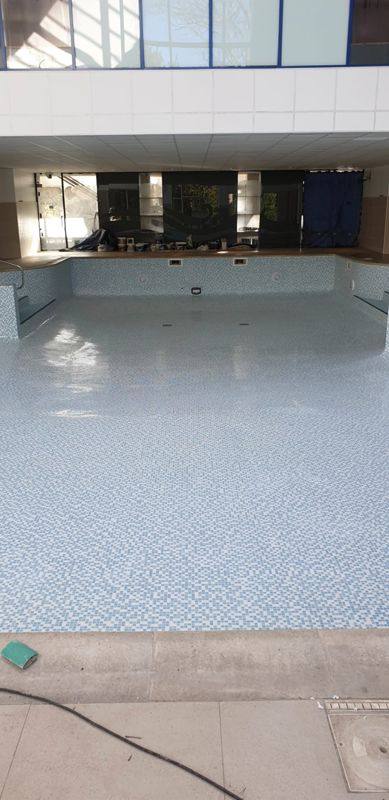
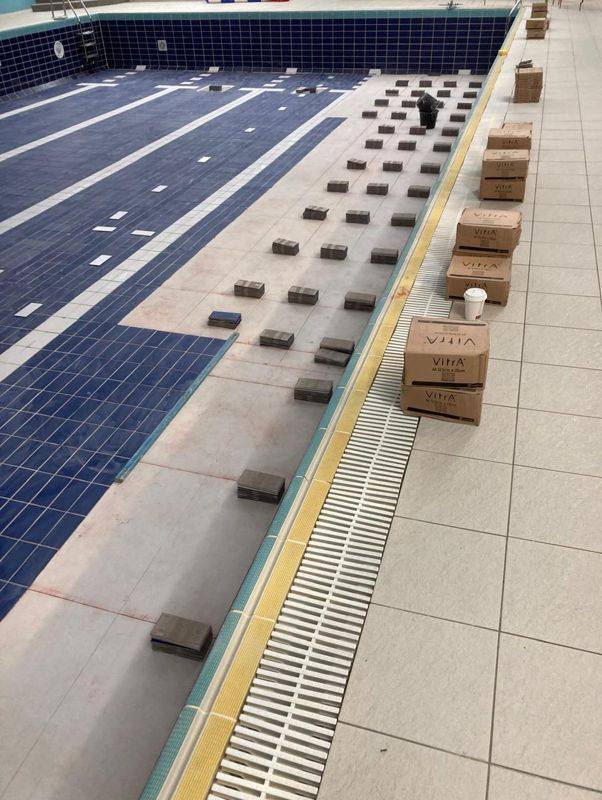
It is too late for a regrout alone when the tiles themselves have lost their bond over wide areas, the render or screed beneath has broken down, or water is getting through the tiled system. New grout fills joints but cannot re-bond a loose tile or repair a failed background. At that point local repairs or a refurbishment are needed first.
What a regrout can and cannot do
Regrouting replaces the material between the tiles. It restores the joints, helps protect the tiled finish and can extend its life considerably. It does not fix what is behind the tiles.
If a tile has come away from its adhesive, or the render it sits on has softened or cracked, fresh grout around it will not hold it in place. That is the line between a regrouting job and a repair or refurbishment job.
Signs a regrout may still be enough
- Joints are low, eroded or missing, but tiles sit flat and firm
- Hollow-sounding tiles are isolated rather than widespread
- No tiles have lifted, popped or fallen off
- No staining or seepage suggesting water is getting behind the tiles
- Earlier repairs have held
Signs it has gone past a regrout
- Large or growing areas of tiles sounding hollow
- Tiles lifting, popping or falling off, especially in clusters
- Cracked tiles in lines, which can point to movement or a failing background
- Render or screed that is soft, crumbling or coming away when tiles are lifted
- Repairs failing again in the same places
- Signs of water travelling behind the tiled finish
Why it is hard to tell from the poolside
Many of these signs only show properly once the pool is drained. A tap test is a useful screening check, but a hollow sound does not always mean a failed tile, and a solid sound does not prove a good bond. Where the picture is unclear, lifting a few tiles in the suspect areas shows what the adhesive and background are actually like.
This is why we assess before quoting a scope. The aim is to find out whether the tiled system is still sound enough to regrout, needs local repairs first, or has reached the point where a wider refurbishment is the better spend.
Too late for a regrout is not always too late for the pool
Even when a full regrout alone will not do, the answer is not automatically a complete retile. Often the right route is targeted tile and background repairs in the failed areas, followed by regrouting the rest. Where failure is widespread, a refurbishment of the tiled finish may give better value than repeated patching.
The earlier deterioration is looked at, the more options stay open. Our guide on whether missing grout can damage your pool explains how a straightforward regrout can turn into a bigger job if it is left.
Common questions
When is it too late to regrout a swimming pool?
When tiles have lost their bond over wide areas, the background has broken down or water is getting behind the tiles. Regrouting cannot fix those, so repairs or refurbishment come first.
Can you regrout around loose tiles?
Not reliably. Loose tiles need lifting, the background checking and the tiles refixing before the joints are regrouted. Grout will not hold a debonded tile in place.
Does one hollow tile mean the pool needs retiling?
No. Isolated hollow-sounding tiles are common and need assessing individually. It is widespread or spreading hollowness that suggests a bigger problem.
Is it cheaper to repair and regrout than retile?
Often, when failure is localised. Where large areas have failed, repeated repairs can cost more over time than a planned refurbishment. An assessment shows which applies.
How do I find out if my pool can still be regrouted?
Send photos of the joints and any problem tiles with a short description. We can then advise on next steps, which may include an inspection when the pool is drained.