Yes, it can. Missing or deteriorated grout leaves the tile system more exposed to water and pool chemicals. Depending on how the pool is built and what lies beneath the tiles, that can contribute to bedding or screed deterioration, loss of adhesion and tiles coming loose. Caught early, a regrout can protect the existing finish and avoid a much larger repair.
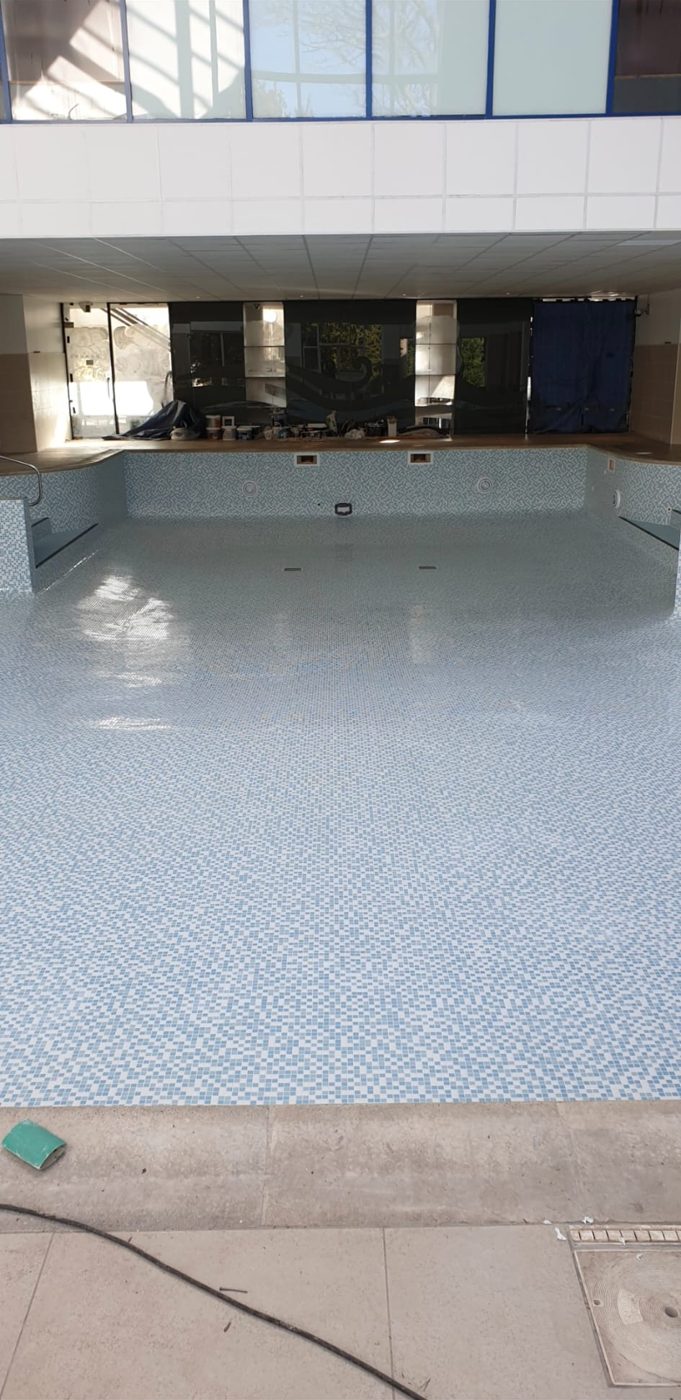
More than a cosmetic problem
Damaged or missing grout might look like a cosmetic problem, but leaving it untreated can eventually turn a relatively straightforward regrouting job into a much larger swimming pool repair.
Swimming pool grout has a difficult job. Unlike grout in a normal tiled area, it is continuously exposed to treated water, pool chemicals and demanding operating conditions.
As grout deteriorates, joints can become low, cracked or completely open. Once that happens, the surrounding tile system can become increasingly vulnerable.
What happens when swimming pool grout starts to fail?
The first signs can be surprisingly minor. They should not be ignored simply because the pool still looks usable.
- Grout that has become shallow or low in the joint
- Small sections disappearing between tiles
- Loose material coming away when the pool is cleaned
- Isolated tiles beginning to sound hollow
When it stops being just a grout problem
As deterioration progresses, the tiled finish can become more exposed to water and chemicals within the system. Depending on the construction of the pool and the condition underneath the tiles, this can contribute to deterioration of the bedding or screed, loss of adhesion and tiles eventually becoming loose or popping.
At that stage you are no longer necessarily dealing with a grout problem. You are potentially dealing with tile repairs and substrate remediation as well.
Why catching it early matters
This is why PoolRevive recommends investigating deteriorating grout before widespread failure occurs.
If the underlying tiled system remains sound, removing the deteriorated grout and regrouting the pool correctly can be far less disruptive than waiting until large areas of tile begin to fail. Maintaining the tiled finish properly can also extend its serviceable life, so a pool that might otherwise need major remedial work can keep performing for many more years when deterioration is found and dealt with at the right stage.
The difference can be significant
Here is how the two routes usually play out.
Caught early
- Deteriorated grout
- Assess the existing tiles
- Remove the failed grout
- Prepare the joints correctly
- Regrout with a suitable pool system
- The life of the existing tiled finish is extended
Left too long
- Missing or deteriorated grout
- Continued exposure and deterioration
- Hollow or loose tiles
- Damage to underlying materials may develop
- Larger areas need removing
- Potentially a major pool refurbishment
Regrouting as preventative maintenance
A regrouting programme is not simply about making a swimming pool look better. Done at the right time, it is preventative maintenance that helps avoid a much more expensive refurbishment later.
How long can regrouting extend the life of a pool?
There is no responsible blanket answer of ten or twenty years. It depends on the existing tile installation, the substrate, pool chemistry, movement, the materials used before and how far the deterioration has gone.
Where the underlying installation is still fundamentally sound, timely remedial work can significantly extend the useful life of the tiled finish and postpone the need for complete replacement. That is why we assess the existing pool before recommending local repairs, a complete regrout or a full refurbishment.
Not sure how serious your grout deterioration is?
You do not need to know what work your pool requires before contacting us. Send photographs of the affected areas, the pool's location and a short description of what you have noticed, and we will help you work out the right next step.
Common questions
Can missing swimming pool grout damage your pool?
It can. Open or low joints leave the tile system more exposed, which can contribute to bedding deterioration, loss of adhesion and loose tiles. How quickly that happens depends on how the pool was built and what is beneath the tiles.
Is missing grout just a cosmetic problem?
Not usually. It may look cosmetic at first, but grout is part of what protects the tiled finish. Left untreated, it can turn a straightforward regrout into tile repairs and substrate work.
Can you regrout a pool if some tiles sound hollow?
Sometimes. A tap test is a screening check, so hollow-sounding tiles need assessing. Where tiles have lost their bond they need repairing before regrouting, because new grout will not hold a loose tile in place.
How long will a regrout make the pool last?
There is no honest fixed number. Where the installation underneath is sound, timely regrouting can significantly extend the life of the tiled finish, but the result depends on the substrate, water chemistry, movement and earlier materials.
What should I send for an initial view?
Clear photos of the affected joints and tiles, a wider shot of the pool, its location and a short note of what you have noticed and how long it has been happening.