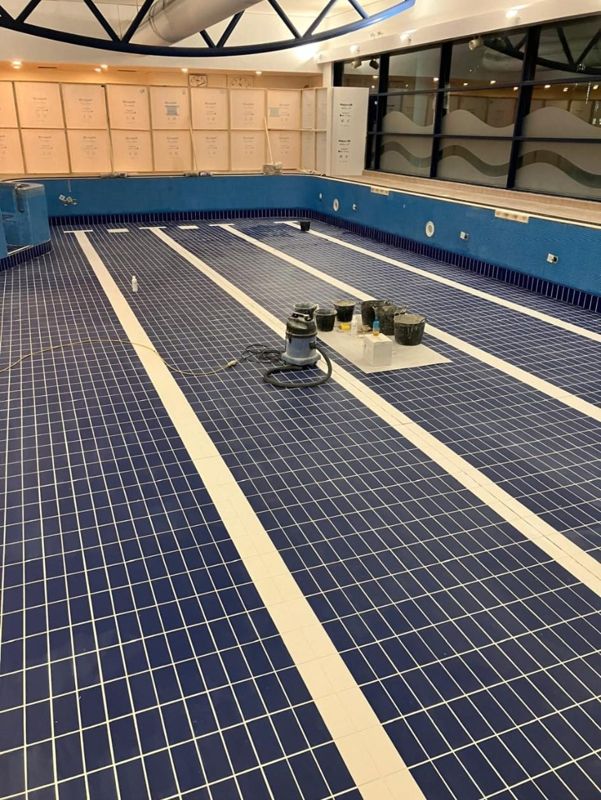
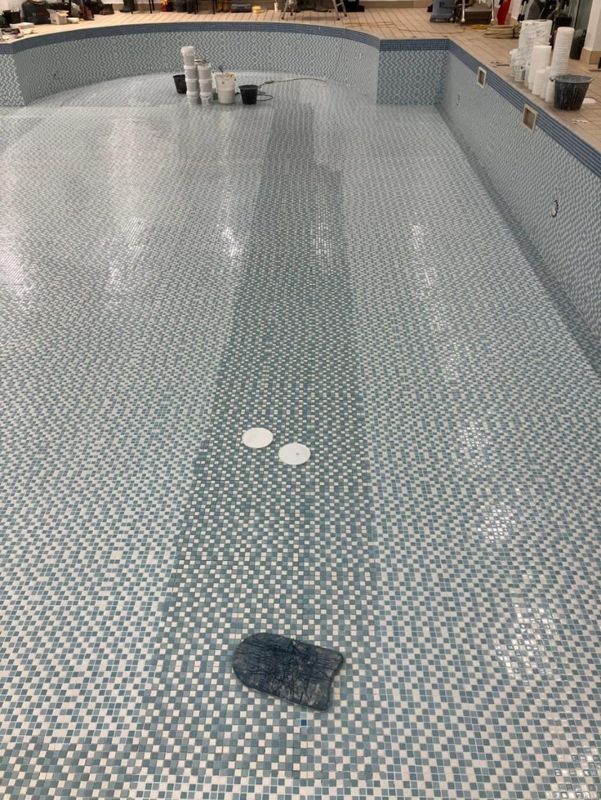
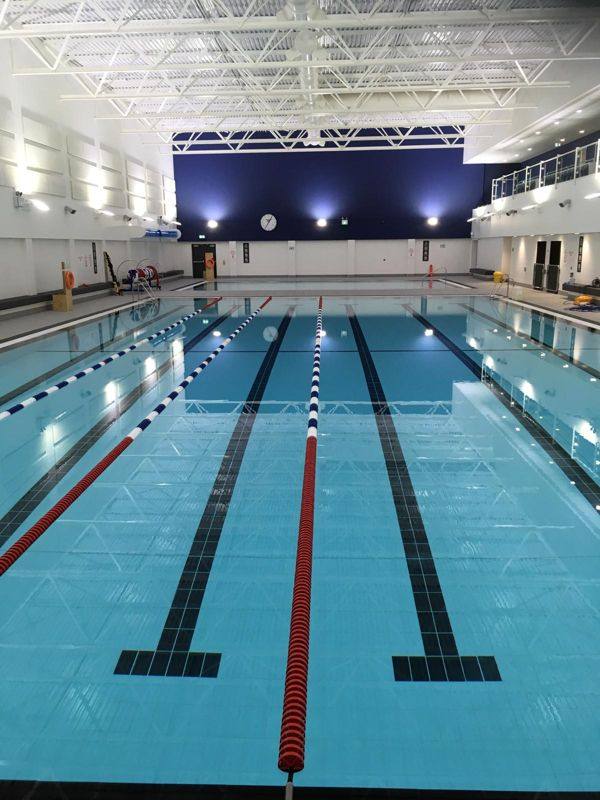
Most hotels and spas plan pool work for their quietest trading period. Start with an inspection and a clear scope, order materials early, agree working hours and access that keep guest disruption low, and build drain down, cure times, refill and water treatment into the plan. The right timing depends on bookings, the scope and what the drained pool reveals.
Why timing matters for hotels and spas
In a hotel or spa the pool is part of the guest experience, and often part of memberships, spa packages and events. Closing it affects bookings and reviews, so works usually go into a period of lower demand.
Every business has its own quiet period: a few weeks in winter, a gap between events, or a planned closure of the whole leisure club. Pin it down early and fit the works to it.
Start with an inspection
Understand the pool's condition before committing to dates. Some issues show through the water, but a proper assessment usually needs it drained. If a short drain down fits into an earlier quiet spell, an inspection then makes the main closure far more predictable.
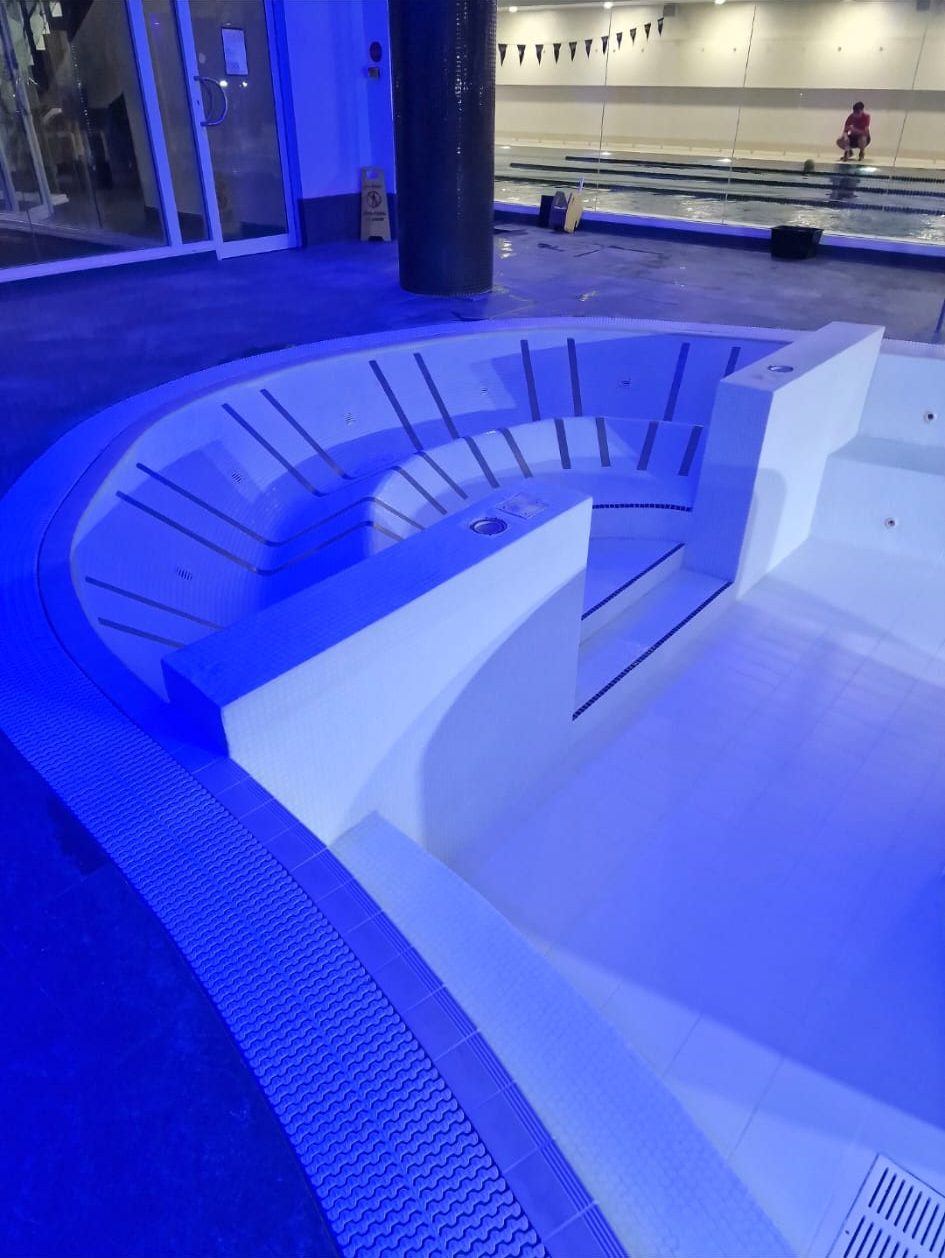
Spa pools, hot tubs and plunge pools bring their own issues: higher water temperatures, seating, jets and lighting. Look at them alongside the main pool.
Records from earlier closures help. Notes of previous repairs, grout systems and tiles used show the contractor how the pool has behaved and what is likely to turn up.
Protecting the guest experience
The hotel stays open in a quiet period, and guests notice building work. Some practical arrangements keep the impact down.
- Agree working hours that avoid noise during early mornings and evenings.
- Plan access routes for materials that avoid guest areas where possible.
- Screen work areas and keep spa and changing areas clean and presentable.
- Brief reception and spa teams so they can answer guest questions.
- Update booking information and websites with the closure period.
- Consider how other leisure facilities will be used during the closure.
Scope, finish and appearance
Hotel and spa pools often rely on mosaic, feature walls, lighting and seating for their look. Repairs and regrouting have to respect that finish, and sourcing matching tiles or grout colour can take time.
On a retile, the tile has to balance appearance with suitability for pool use, slip resistance where people walk or stand, and practical cleaning. Order early, especially special colours or decorative pieces.
Spa seating, benches and steps are sat on and handled, so smooth, flush finishes matter as much as looks. Detailing around jets, lights and fittings takes care, and warm water and heavy use make those spots harder working than an open floor.
Building cure and refill into the plan
Cure times for adhesives, grouts and sealants depend on the products and on temperature and humidity. In a hotel there is often pressure to reopen for a particular weekend or event. Put the cure and refill time into the plan from the start, so hitting that date never depends on cutting them short.
Refill, heating and water balancing take time too, particularly for warmer spa pools. Spa pools are also covered by HSE's HSG282 on controlling legionella and other infectious agents in spa-pool systems, which your water treatment team will need to follow when the system is recommissioned. Give them clear dates.
Working alongside other projects
Off-season closures often carry several projects at once: changing room upgrades, lighting, ventilation, decoration. Sequence them so dusty work and anything over the pool is finished before final cleaning and refill, and so the pool hall conditions suit the tiling products.
Holding the programme
Dan and Jay work hard to hold an agreed programme, and the most useful thing a hotel can do is help them prepare: scope, materials, access and working areas confirmed before day one. If something hidden turns up once the pool is drained, it is raised straight away, so there is time to decide and to adjust what guests are told.
A named person on the hotel side who can make decisions quickly keeps the works moving.
After reopening
Brief housekeeping and leisure teams on care of the new grout and tiles, including cleaning products to avoid. Keep spare tiles and a record of the products used. A look at the pool at the next planned drain down catches early issues and feeds the next round of maintenance.
Common questions
How far ahead should a hotel plan pool refurbishment?
Early enough to fit in an inspection, a proposal, approvals and ordering before the quiet period starts. Tile lead times, decorative pieces and contractor availability all affect this, so for larger works start the conversation well ahead of the closure.
Can a spa pool and main pool be done at the same time?
Often, if the scope and access allow. Doing both in one closure can reduce total disruption, but it increases the amount of work in the window, so the programme needs to account for both pools' cure and refill times.
Can guests use other facilities during the works?
That depends on the layout of the building and the works. Screening, controlled access routes and agreed working hours can help keep other areas open, but it should be discussed and agreed before work begins.
Should we close the whole leisure area or just the pool?
It depends on the layout, access routes and the scope of the works. If changing rooms or poolside areas are also being worked on, a full closure may be simpler and shorter. Where only the pool is affected, screening and managed access can sometimes allow other areas to stay open.