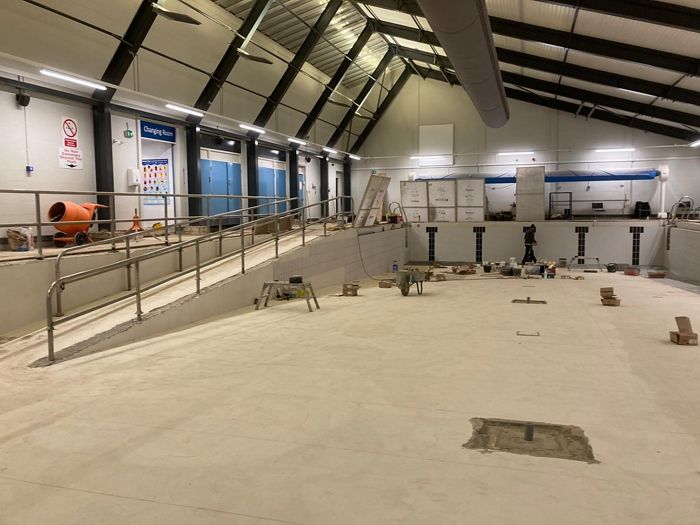
A parliamentary report published this year found that more than 1,200 swimming pools are over 40 years old and past their expected lifespan. With budgets tight, many operators are asking how to keep their pools open, safe and looking right without a full rebuild.

What the reports found
In March 2026 the All Party Parliamentary Group on Swimming published The Deep End, based on more than 200 submissions from operators, clubs and governing bodies. It found that more than 1,200 pools are over 40 years old and past their expected lifespan, and that energy costs remain nearly double pre-pandemic levels.
Sector bodies including Swim England, ukactive and the Local Government Association have also said that 500 pools have closed since 2010, and that 60 per cent of pools are beyond their expected lifespan or need refurbishment.
Why the tiles and grout matter
An ageing pool does not always need rebuilding. In tiled pools, much of the visible wear sits in the tiles, the grout and the background behind them. Missing grout lets water reach the bedding, loose tiles become a safety risk, and small problems left for years can turn into a large repair.
Where the tiles are still bonded, a chemical clean, targeted tile repairs and an epoxy regrout can often bring a tired pool back into good condition for far less than a full retile.
What operators can do now
- Check the pool and surround for missing grout, loose or cracked tiles and failed movement joints, and note where they are.
- Plan repairs around a planned closure, so the work is done once and the pool is not closed twice.
- Order specialist tiles early. Some pool tiles and special pieces take six to seven weeks to arrive.
- Keep spare tiles from the same batch, so a small repair stays small.
- Get the pool assessed before deciding between a targeted repair and a full refurbishment.
How PoolRevive can help
We are specialist pool tilers who repair, regrout and clean tiled pools for leisure centres, schools and hotels across the UK. We work long days and weekends when needed to keep closures as short as possible.