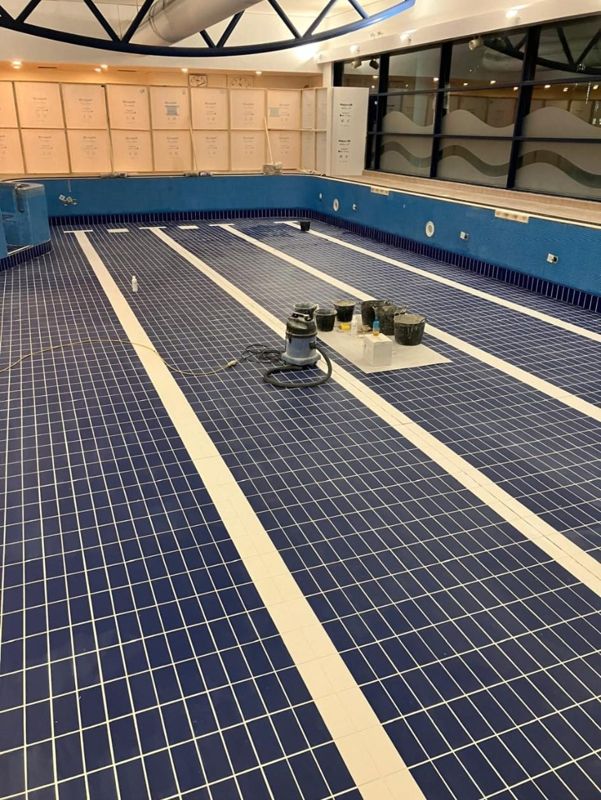
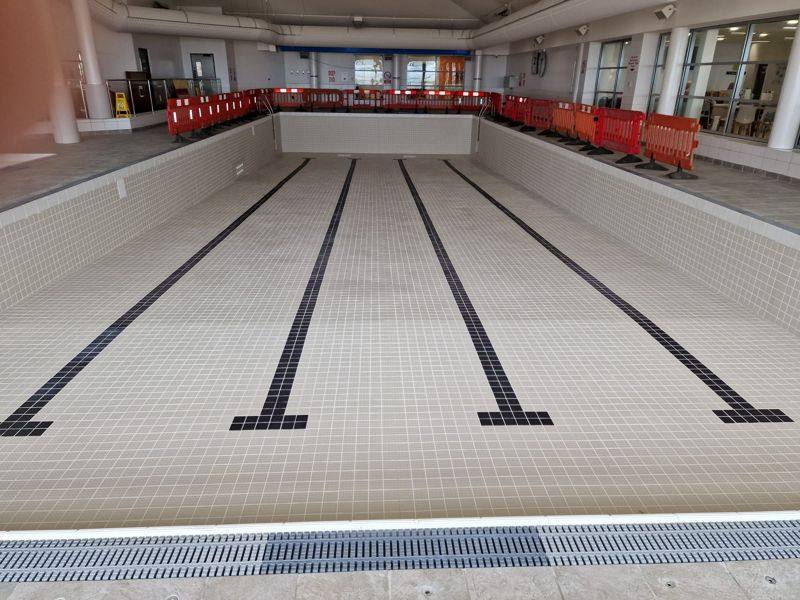
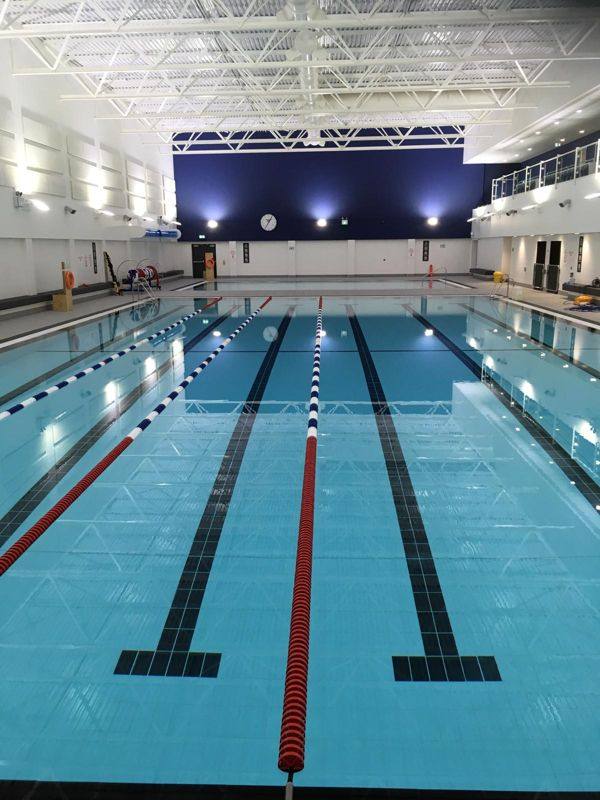
Plan the works well before term ends. Arrange an inspection early, agree the scope, order tiles in good time, confirm site access and safeguarding arrangements, and build drain down, cure time, refill and water treatment into the programme. That way the summer is spent on the work itself and the pool is ready when lessons restart.
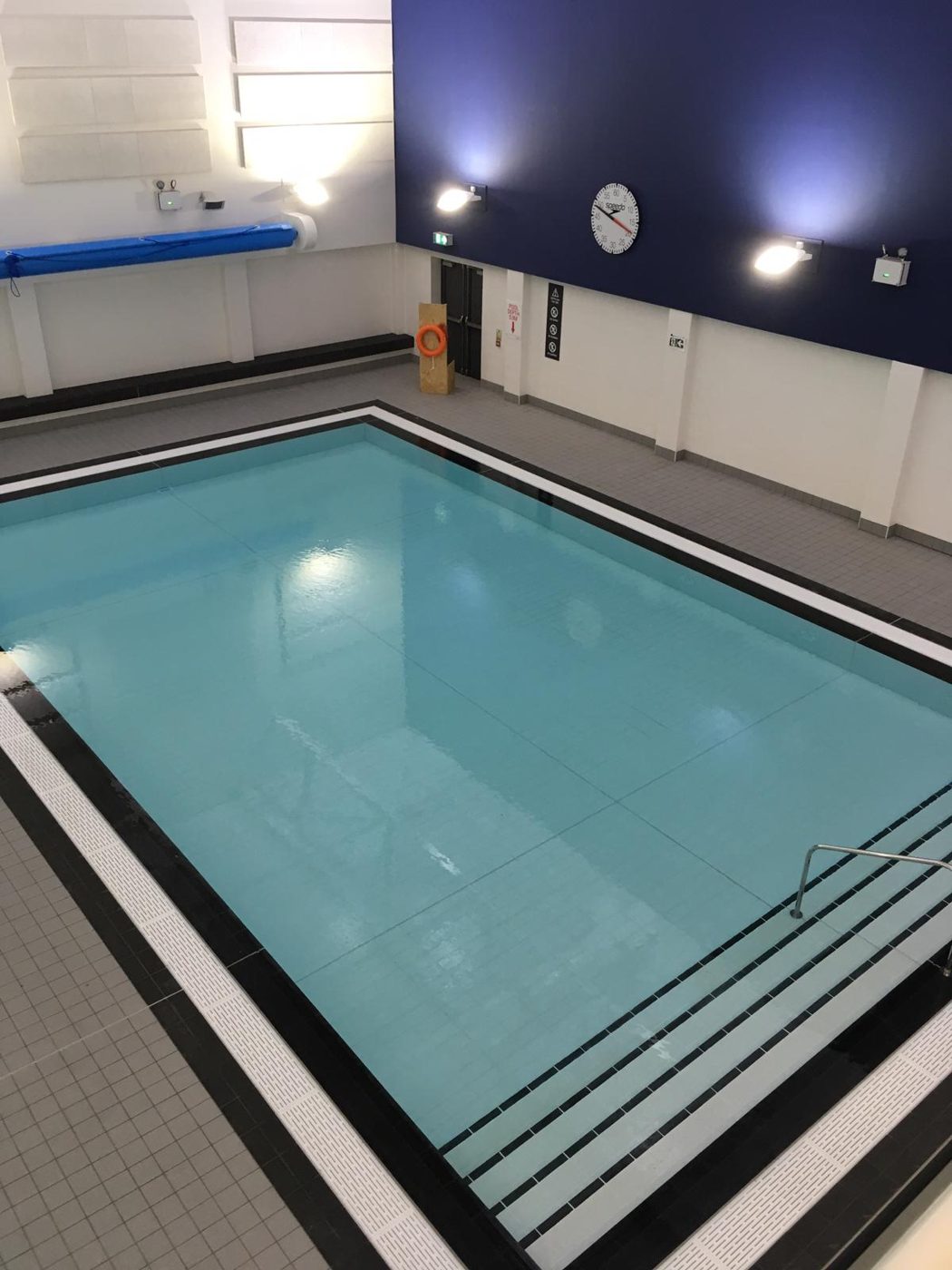
Why the summer holiday is the usual window
School pools are timetabled for lessons, clubs and sometimes community lettings. The summer holiday is often the only gap long enough to drain the pool, do the tiling and refill it without losing lessons.
The window is fixed, so the planning has to happen earlier. Leave decisions to the last week of term and part of the holiday goes on surveys, ordering and approvals.
Shorter holidays can sometimes be used for smaller jobs, such as a few local tile repairs or renewing a damaged step nosing, if the pool can be drained and refilled within the break. Whether that is realistic depends on the pool and the products involved.
Start planning in the spring term
Starting early leaves time to understand the pool's condition, compare options and book the work. It also helps if the project needs approval from governors, a trust or a local authority.
- Record known problems such as missing grout, loose tiles, damaged steps or edges.
- Share any previous inspection findings, repair records and drawings.
- Arrange a visit to look at the pool and discuss options.
- If the pool can be drained before the holiday, consider an earlier inspection.
- Agree the budget approval route and who signs off the scope.
Agreeing a realistic scope
Some defects show with the pool full, but the full extent is usually clearer once it is drained. Agree a main scope on what is known, and a clear process for anything found once the pool is empty.
If time is short, prioritise. Safety items such as sharp edges, loose tiles on steps and failed nosings usually come first, then grout and general maintenance. Some work may sit better in a later holiday.
A written scope that shows the options considered also makes it easier to explain the decision to governors or a trust.
Ordering materials early
Replacement tiles, step nosings, lane markings and some specialist products have lead times, and finding a match for an existing pool can take a while. Order before the holiday so nobody is waiting for materials while the pool sits empty.
Confirm who will take deliveries and where materials can be stored securely, particularly if the school is only partly staffed over the summer.
Site access and safeguarding
Schools are often busy in the summer, with other building works, cleaning and holiday clubs. Agree access routes, working hours, parking, storage and welfare facilities in advance.
Your school will have its own safeguarding and site security procedures for contractors. Agree them before work starts: how contractors sign in, which areas they can use, and what happens if children are on site.
Building the programme around cure and refill
The programme covers drain down, cleaning, inspection, the works, cure times, final checks, refill, heating and water balancing. Cure times depend on the products and the conditions in the pool hall. If time runs short, the scope gives way, not the cure.
Talk early to whoever looks after your pool plant and water treatment. They usually manage drain down and refill and need the dates. Leave time before the first lesson for the water to be heated, balanced and checked.
Coordinating with other summer works
Pool halls often host other holiday work: plant maintenance, lighting, ceilings or ventilation. These share access and can change the conditions for tiling. Sequence them so trades are not working over each other, and so dust and debris do not end up in a freshly grouted pool.
After the works
Keep a record of the work, the products used and photos of the finished pool, and store any spare tiles safely. Through the next term, watch the repaired areas and report anything unusual early so it can be checked at the next closure.
Planning the next holiday's work during the autumn or spring term helps spread maintenance over several years where the pool's condition allows.
Common questions
Can all pool works be completed in a summer holiday?
It depends on the scope, the size of the pool, the products and what is found once it is drained. Many repair and regrouting jobs fit inside a summer holiday. Larger retiles may need prioritising or phasing, and the contractor should explain why before you commit.
When should a school contact a pool tiler?
As early as possible, ideally during the spring term. That allows time for a visit, a proposal, approvals and ordering before the holiday begins.
Who handles the refill and water treatment?
Usually the school's pool plant or water treatment provider. The tiling contractor should give guidance on when the products are ready for the pool to be refilled and any refill precautions.
What if extra damage is found during the holiday?
You should hear about it straight away, with photos and options, so the school can decide whether to include it now or leave it for a later closure. A named person available to make decisions over the holiday helps a great deal.